






The United States government has proposed a last-minute, one-year reprieve for a key trade deal that has underpinned economic ties between the U.S. and dozens of African nations for over two decades.
The African Growth and Opportunity Act (AGOA), a policy that allows numerous African exports into U.S. markets without tariffs, officially expired on Tuesday the 30th of September. The Trump administration now says it supports adding a temporary extension to an emergency spending package designed to keep the U.S. government open – a move seen by many as precarious and politically risky.
AGOA has been central to African manufacturing, agriculture, and textile industries since it was launched in 2000. It enabled more than 30 countries to grow export sectors and generate employment, particularly for women and youth in rural areas. While the framework was designed to encourage stronger trade partnerships, the Trump administration’s cut-throat trade stance and August’s surprise tariffs have already gutted key benefits for African exporters, sparking frustration across the continent.
Talks for a longer-term renewal collapsed in the U.S. Congress, leaving African officials scrambling to secure even a short extension. With no guarantee the stopgap measure will pass — or that AGOA will be included in the final version — uncertainty is ripping through African economies that rely on stable access to U.S. markets.
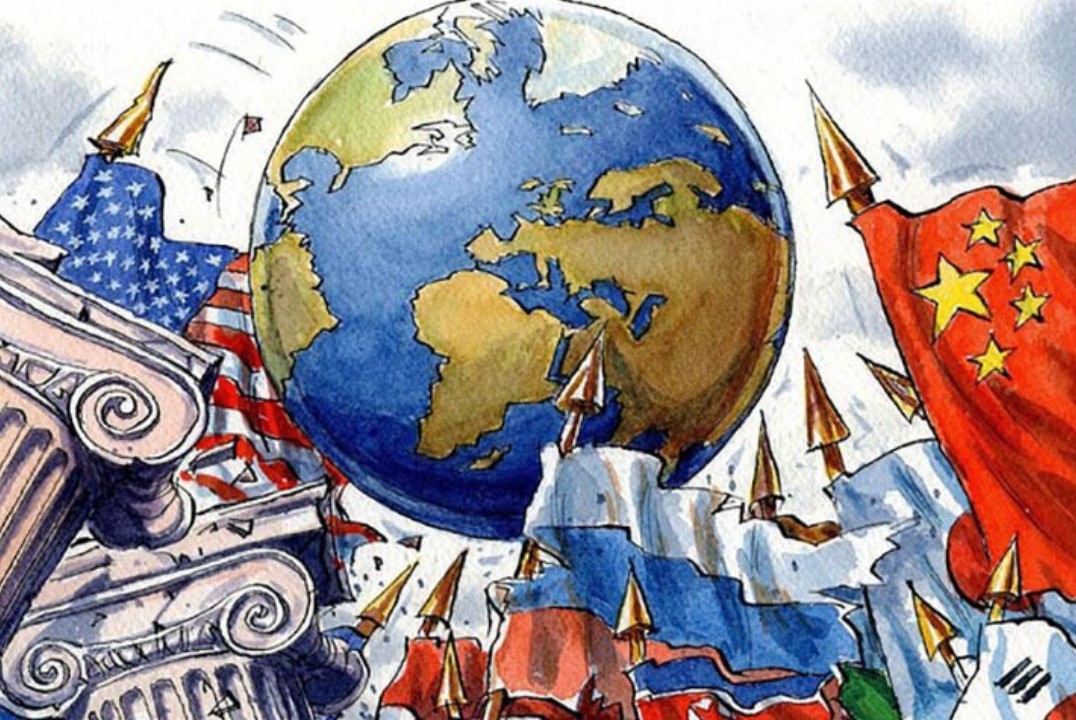
From a Global South position, the precarious future of AGOA highlights the vulnerability of African economies in global trade systems where major powers can withdraw preferential treatment overnight, at the blink of an eye. With global competition tightening its grip, the collapse or weakening of trade deals like this could wipe out decades of progress – shuttering factories, obliterating jobs, and plunging key industries into crisis.
Experts are sounding the alarm: Africa must immediately accelerate intra-continental trade through platforms like the African Continental Free Trade Area (AfCFTA) – or face devastating fallout from unstable, erratic Western policies.
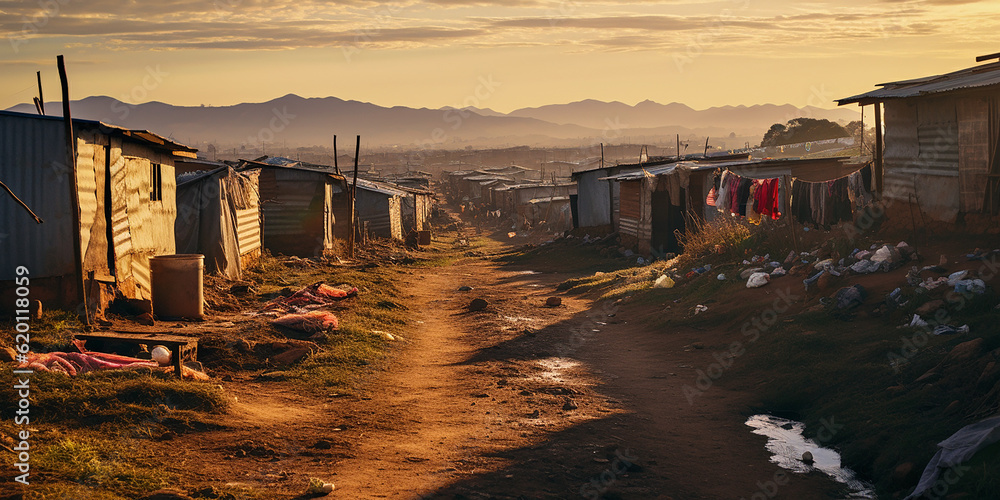
While U.S. lawmakers argue over budgets in Washington, thousands of African livelihoods are hanging by a thread — with entire industries at risk of collapse.
