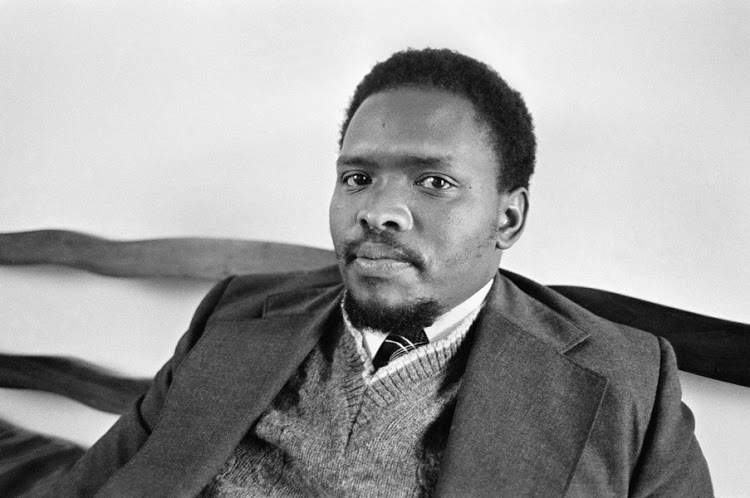



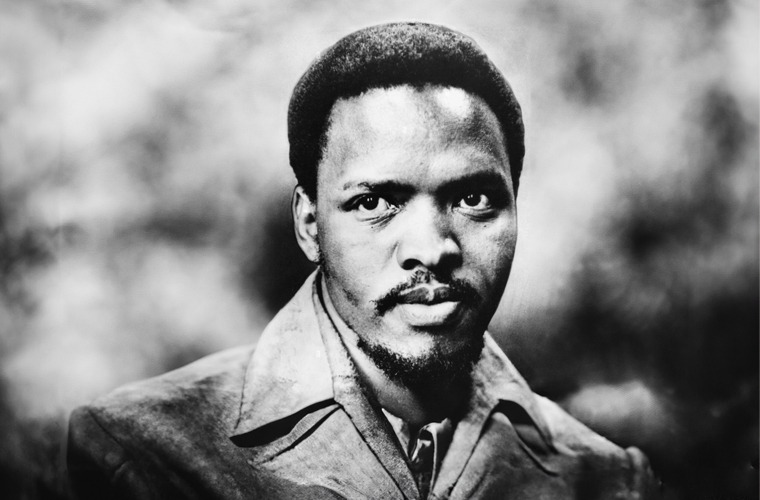
From his arrest at a roadblock with Peter Jones, on August 18, 1977 in Grahamstown, Steve Biko was on a mission he described as forming one liberation movement.
That was the last detention that Biko, the founding father of Black Consciousness, would be seen alive. He would only emerge weeks later when his mortal remains would be laid to rest in his beloved Ginsberg township outside of King Williamstown in the Eastern Cape.
Peter Jones, the last man to see Biko alive, kept in Port Elizabeth Sanlam Building security HQ, only heard of Biko’s death in a cell on September 25, 1977 from mourners coming from Biko’s funeral that were brought into the same prison he had been detained.
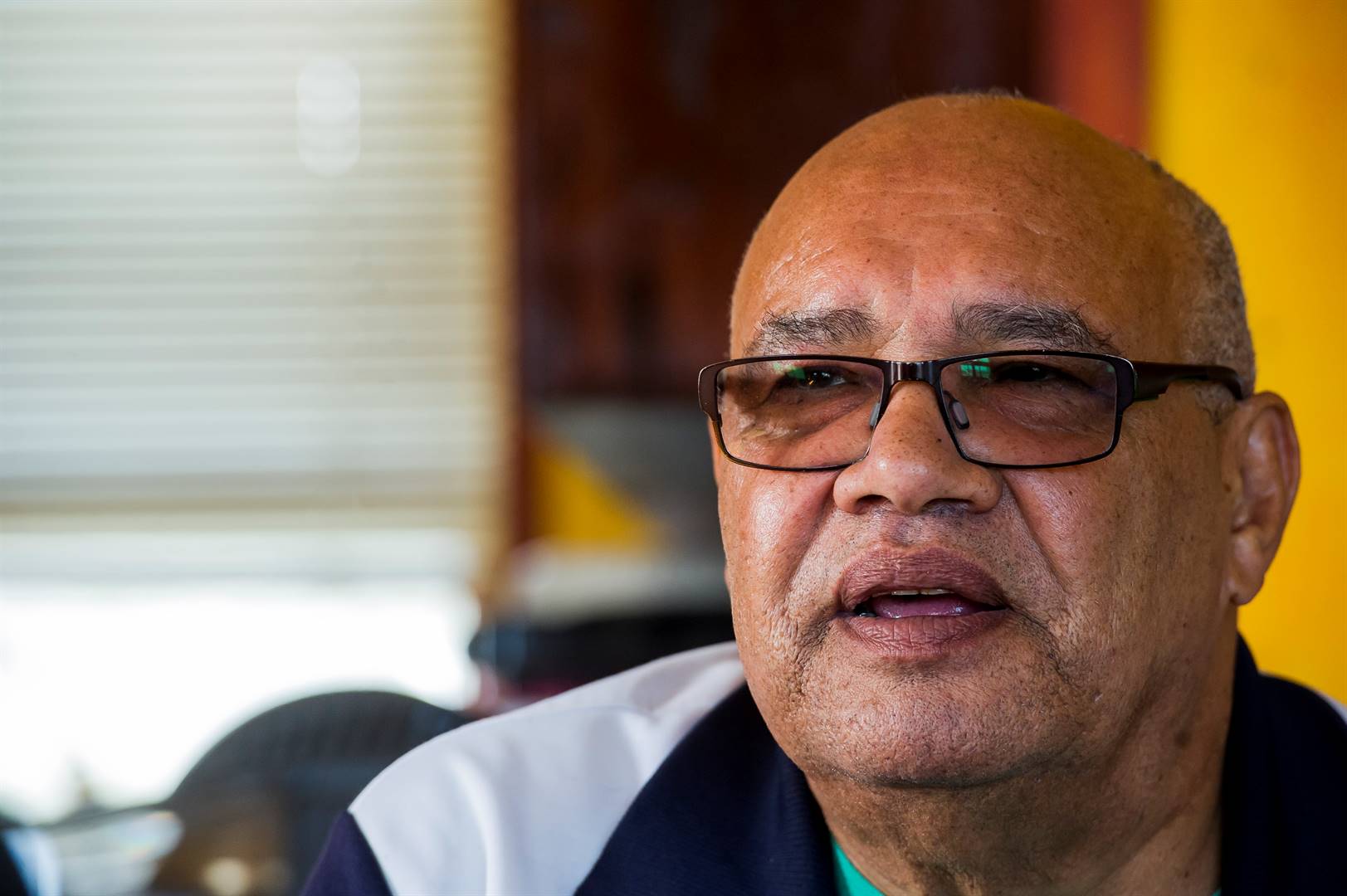
Jones, a stalwart of the South African Black Consciousness Movement and confidant of Steve Biko, passed away, 15 February 2023.
When the regime descended its final sledgehammer on the BC movement on October 19, 1977 banning 17 BC organisations, two black newspapers, The World and Weekend World and the Christian Institute’s Pro Veritate, BC regrouped in 1978, in the form of the Azanian People’s Organization (AZAPO) formally inaugurated in April 1979.
Interestingly, AZAPO did not call for the unbanning of itself or BC formations before it but instead, it called for the unbanning of the ANC and PAC – mentioning them by name. Having peddled animosities in the ranks of black political formations and communities, it was easy to attribute the killing of the Cradock Four to AZAPO in order to sow deeper hostilities within the liberation forces.
By Jimmy Kruger’s high-handedness on the BC front, forward planners were convinced Black Consciousness was done and dusted with.
From Mthuli Ka Shezi, to Onkgopotse Tiro, series of deaths in detention, assassination including that of Steve Biko, to the sledgehammer that Kruger descended on BC organisations on October 19, 1977, the final nail was believed to have hammered forever.
BC resurgence via AZAPO was brutally counteracted by carefully sponsored ‘black-on-black violence’ with the hidden guiding hand of white death squads for its escalation in the heartless cruelty of the 1980’s that cut mercy to the bone in black townships.
ANC’s view of itself as ‘the sole and authentic representative of the people’ did not help the situation as was COSAS mobilisation of ‘one organisation, one school’ crusade that spurred adversarial deadly encounters with other students formations like Pan Africanist Students Organisation (PASO) and Azanian Students Movement (AZASM) at high school levels. Same acrimony was similarly felt in tertiary institutions.
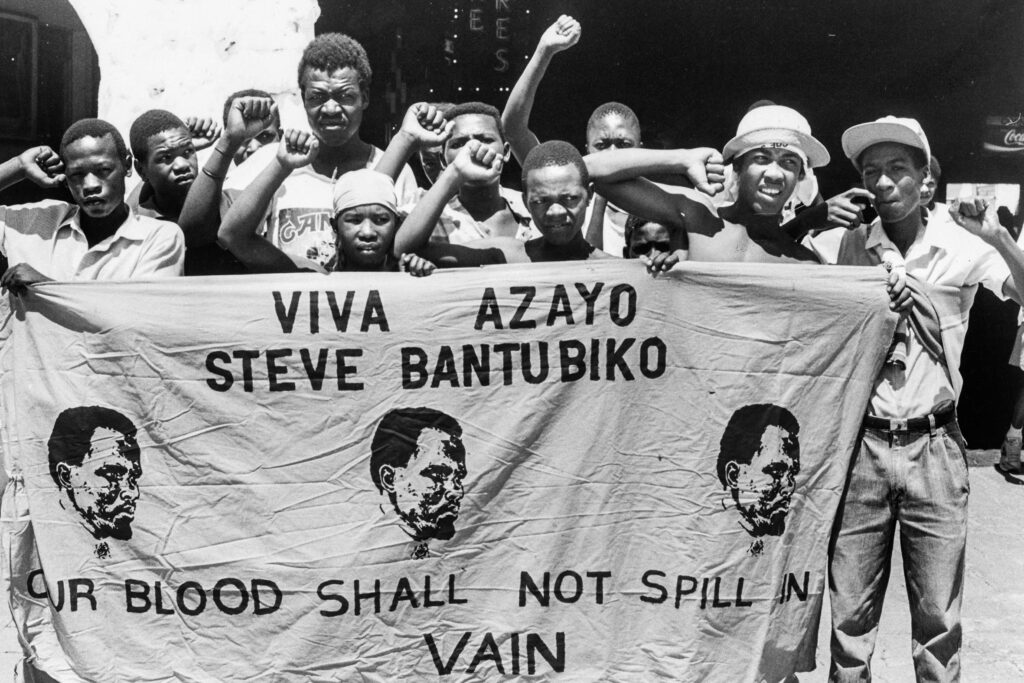
In the political brand wars that came with this sectarian wave of thinking, the Congress movement would not make mention of all that did not fall under its auspices: Release Mandela and the others; unban the ANC and the others. It suddenly was unwise to make mention of was not ‘congressified’.
Further to BC movement’s emasculation, to starve its viability from the centre of SA politics, came with the steering of development funding away from it, spearheaded by the European Union that ensured criterion for funding fenced out any semblance of projects that did not pretend to be BC in their funding proposals, thought and development action.
Development prowess of the kind that the Black Community Programmes exemplified was kept out of funding, sight and mind from bouncing back and prevented to inform empowering, ethical and liberating development thrust and ethos for a numerical majority culture change drive. Humanity is on the ropes.
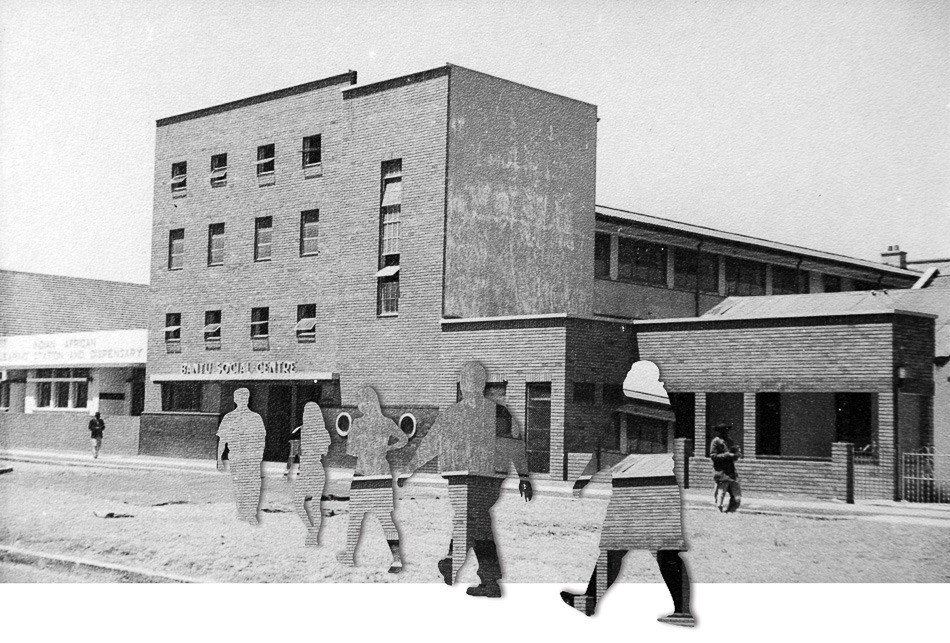
One can tell that the there is a sense of contentment that black people have resigned themselves from the state of liberation politics that have been effectively starved prominence to be a donor/founder proposition. When you look at black people today, they are not near the caliber that the 1970s were, a gift to moral clarity of what liberation is about.
So, has Biko’s dream of one liberation movement pained out of the centre? Current bickering in black politics and party political wranglings misses Biko’s last mission on his arrest by unpretentious miles.
As Antonio Gramsci said ‘it is age of monsters’, ‘the old is refusing to die, and the new is struggling to be born’.