





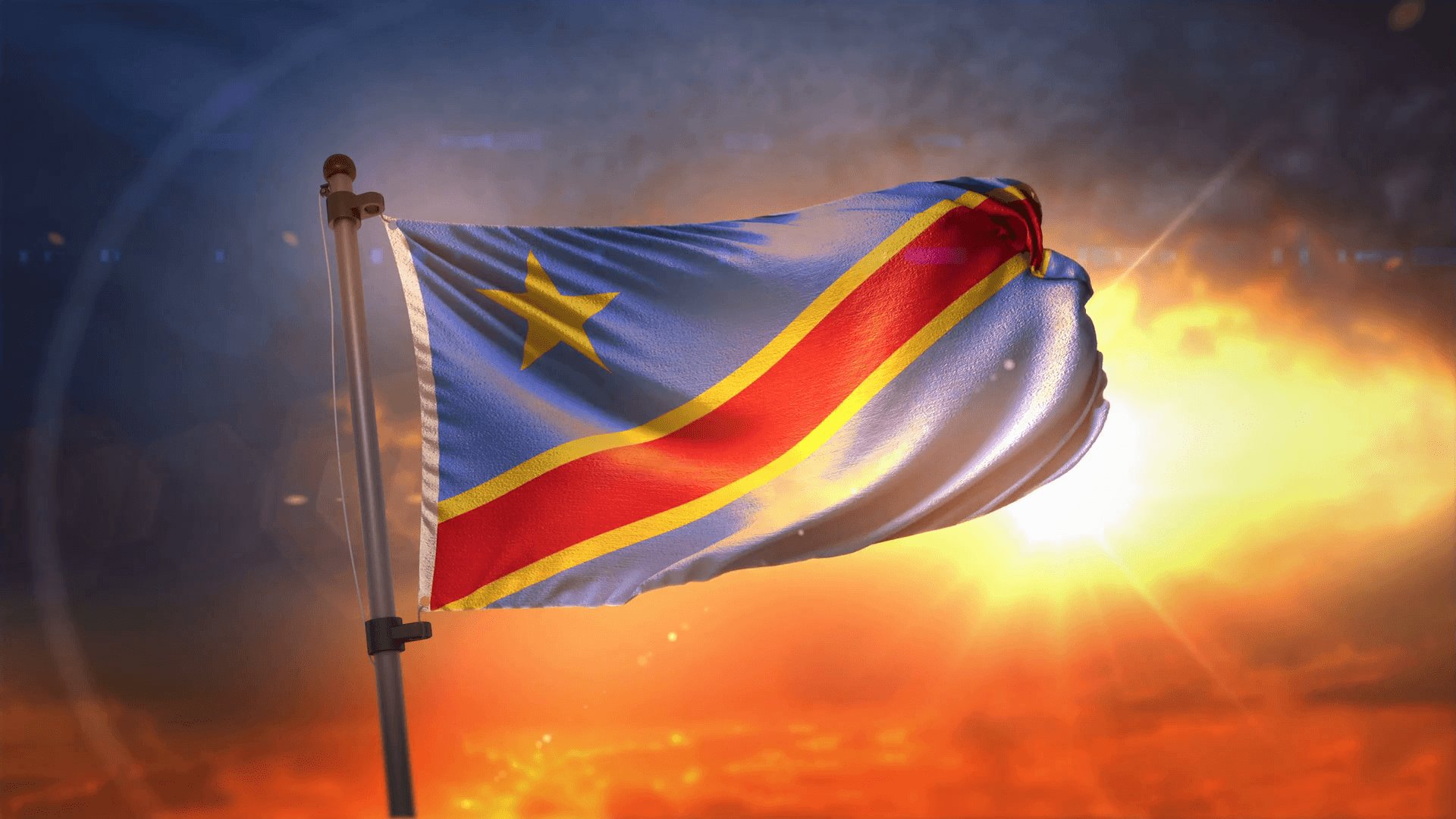
Despite a protracted conflict that has disrupted free economic activity in the Democratic Republic of Congo (DRC); the country has surpassed Peru as the world’s second biggest producer of copper. According to the DRC’s Ministry of Mines, the country’s copper production amounted to approximately 2.84 million tonnes in 2023.
In Peru, the country’s mining and energy ministry reported that output of copper amounted to 2.75 million tonnes.
Chile, a mining giant in Latin America, remains the world’s biggest producer of the red metal. Peru’s Minister of Energy and Mines, Romulo Mucho, has anticipated that copper production in his country will reach 3 million tonnes by the end of 2024.
Although the DRC’s performance in the copper mining is impressive, Peru maintains a significant advantage over the East African nation when it comes to exports of the mineral. There are many reasons for this, mainly the massive disruption caused by the conflict perpetuated by the notorious rebel group M23, which critics claim is backed by neighbouring Rwanda. The Paul Kagame regime has constantly denied the allegations.
The DRC’s main economic activities are centred on mining and mineral deposits. In fact, mining alone is said to produce nine-tenths of total exports. Most of the mining activities in the DRC are located in the Katanga province. Historians have contended that Katanga province was a key factor that led to European imperial rulers colonising the DRC.
For the longest time, the DRC was colonised Belgium, an imperial power that stand accused of assassinating the DRC’s (formerly Congo’s) iconic liberation hero and President, Patrice Lumumba. Some of the minerals found in the Katanga province include copper, cobalt, zinc, cassiterite (the chief source of metallic tin), manganese, coal, silver, cadmium, germanium (a brittle element used as a semiconductor), gold, palladium (a metallic element used a catalyst and in alloys), uranium and also platinum.
The nearby Lake Kivu that separates the DRC with Rwanda is home to vast reserves of methane, carbonic and nitrogen natural gases. This is in addition to the deposits of iron ore and gem-quality diamonds that are found the DRC’s south-central region. Lastly, the limestone deposits that occur throughout the DRC are considered to be among the richest in the whole of Africa.
Bar protracted conflict that has deteriorated in the externally-driven civil war; the DRC should on the evidence of the country’s natural resources be Africa’s number one economy.
